Dubai has approved an urban development plan with a budget exceeding AED2bn ($545m) that is expected to increase property values in targeted areas by AED20bn ($5.45bn) by 2040.
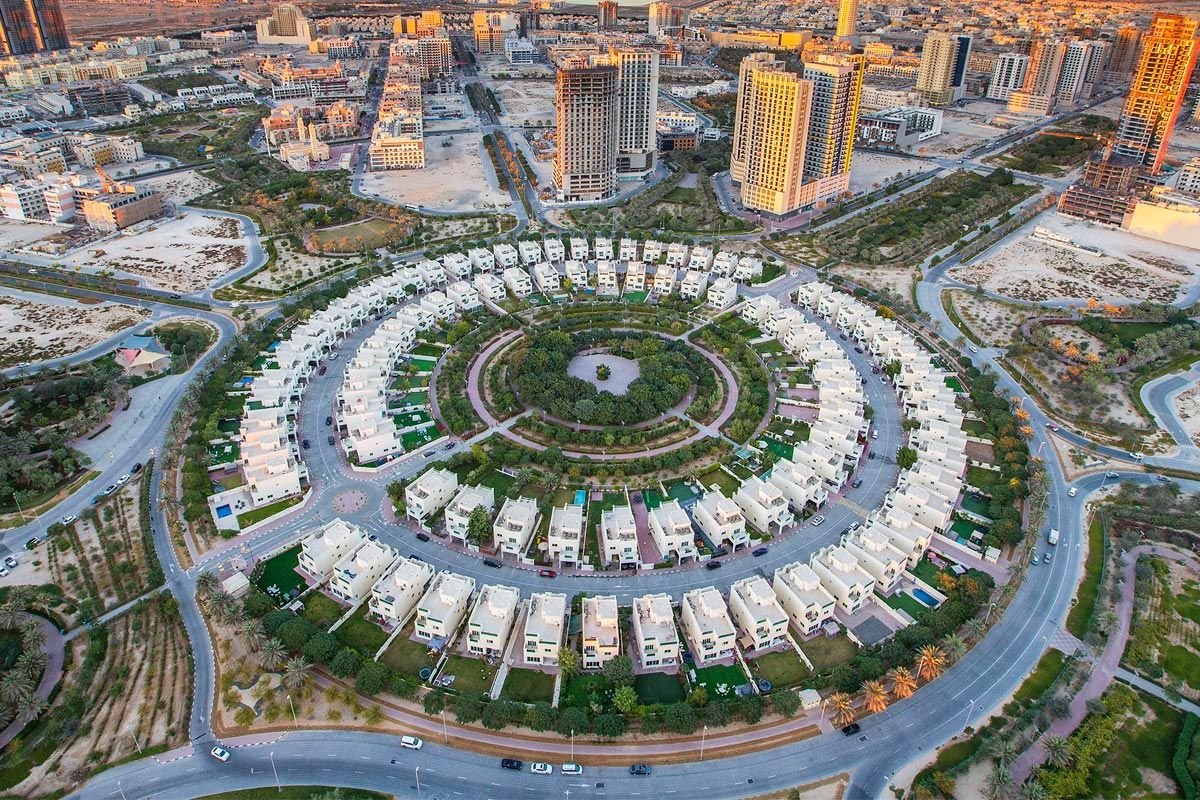
The Urban Centres Development Plan, approved during a meeting of The Executive Council of Dubai chaired by Sheikh Hamdan bin Mohammed bin Rashid Al Maktoum, Crown Prince of Dubai, Deputy Prime Minister and Minister of Defence of the UAE, will cover six main urban centres and 42 supporting sub-centres.
Together, the areas account for 12 per cent of Dubai’s urban area.
The plan aims to create more integrated communities by concentrating housing and employment around public transport stations, diversifying land use and bringing homes closer to workplaces.
Dubai urban development plan
“The Urban Centres Development Plan, with a budget exceeding AED2bn by 2040, will contribute to an increase in the real estate value of the targeted centres by AED20bn, making them more vibrant places to live, work and invest.”
The plan is being overseen by the Supreme Committee for Urban Planning and Dubai Municipality in collaboration with relevant entities.
It focuses on three pillars:
- Quality of life
- Economic returns
- Infrastructure efficiency and cost
The development programme is intended to strengthen the relationship between residential areas, employment centres and public transport networks.
Dubai metro living
Under the plan, Dubai aims to increase the proportion of residents living around metro stations from 52 per cent to 74 per cent.
It also targets an increase in public services coverage from 74 per cent to 85 per cent.
The measures are intended to improve access to services and public transport while strengthening connections between urban centres.
By concentrating population and jobs around mass transit stations, the emirate aims to improve infrastructure efficiency and reduce the distance between homes and workplaces.
The Executive Council also approved a Sustainable Population Planning Policy designed to align demographic growth with economic and urban development.
The policy will use population forecasts and data to identify future demand for infrastructure, services and facilities across the emirate.
It also aims to maximise the use of existing infrastructure, improve service efficiency and support long-term sustainability.
The framework will support employment growth in high-productivity sectors in line with the Dubai Economic Agenda, D33.
According to the announcement, the policy is intended to attract talent, raise average household incomes, strengthen purchasing power and improve Dubai’s economic competitiveness.
Dubai digital authorisation system
The Council separately approved a Digital Authorisation System allowing individuals and companies to authorise others to complete certain government transactions on their behalf.
The platform, developed and operated by Digital Dubai, will apply to low-risk services that do not require notary public or legal attestation procedures.
It will use UAE PASS for identity verification and provide a digital mechanism for creating, managing and activating authorisations.
The system targets a fully digital customer experience, 100 per cent effectiveness in combating fraud, disputes and operational risks, and a 90 per cent Customer Effort Index score.
The initiative is designed to simplify government procedures and provide a unified experience across digital services.